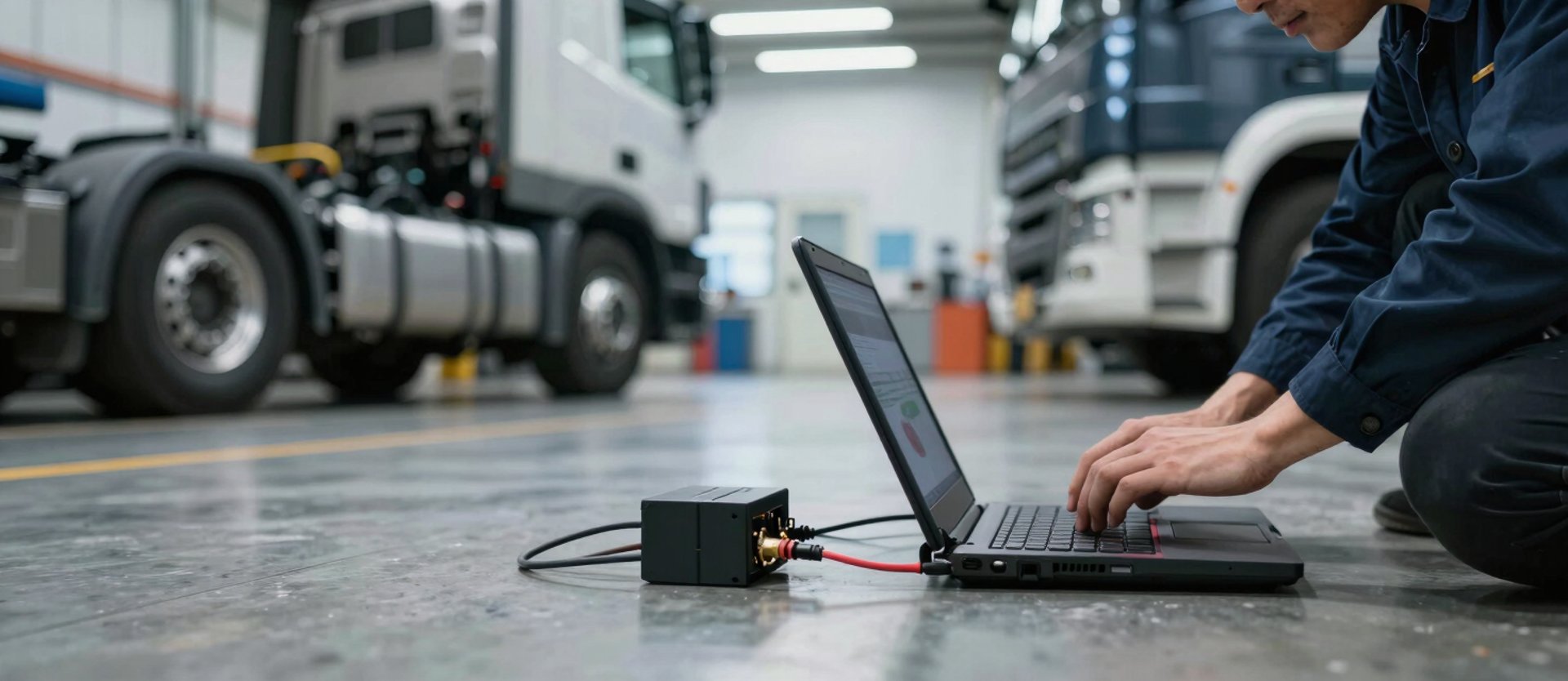
Read the code. Fix the fault. Move on.
Every job starts with a full diagnostic scan and a written fault report. You know what's wrong and how long it takes before we touch a single component.

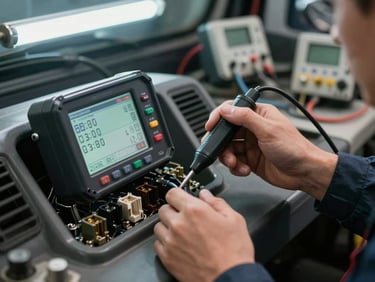
Three steps. No detours.
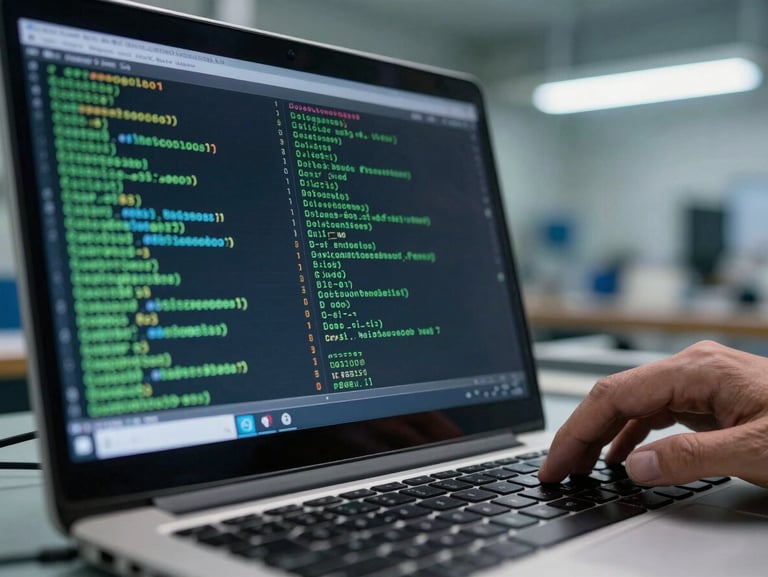
We connect to the vehicle's diagnostic port, scan all control units, and produce a written fault report with a fixed timeline. No verbal estimates, no surprises.
Source the part. From our shelf.
Knorr, Wabco, Haldex brake valves and ECM clone hardware are on-site. No order wait, no third-party delays. If the fault needs a part, we already have it.
Repair, verify, clear the codes.
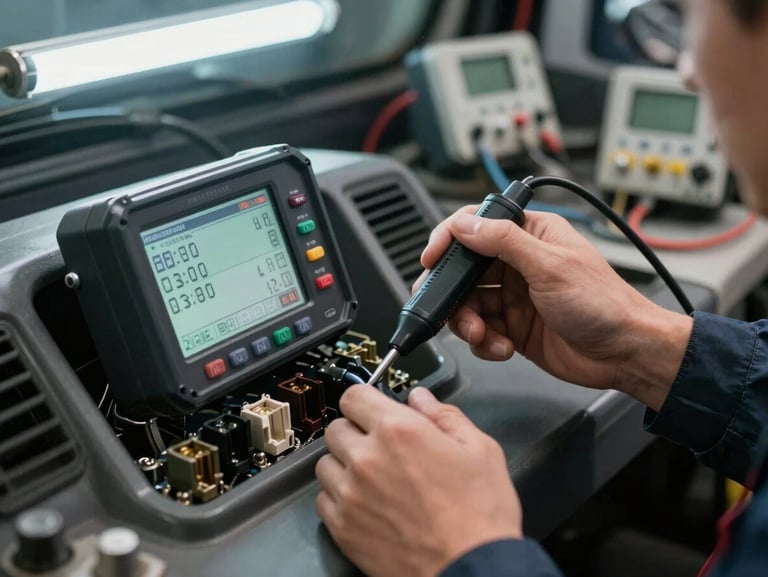
Every repair ends with a second full scan. Codes cleared, parameters verified, vehicle tested before it leaves. You get confirmation in writing.
Most jobs done same day or next morning.
Because we handle diagnostics, parts, and repairs in-house, we don't queue behind a dealership's parts department. One shop—every step done here.
One stop. No guessing. Back on the road.
Fermierilor 277, Abram 417005 Bihor Romania
6A, Santion 417078 Bihor Romania
Pages
Home
Services
How We Work
Contact
Call or write
info@baliro.ro
+40 770 400 887
Mon – Fri 07:00 – 18:00
Trucks · Trailers · Agricultural · Construction
(C) 2026 BALIRO-No dealership wait times. No guesswork.
Plug in. Read the code. Fix it.